
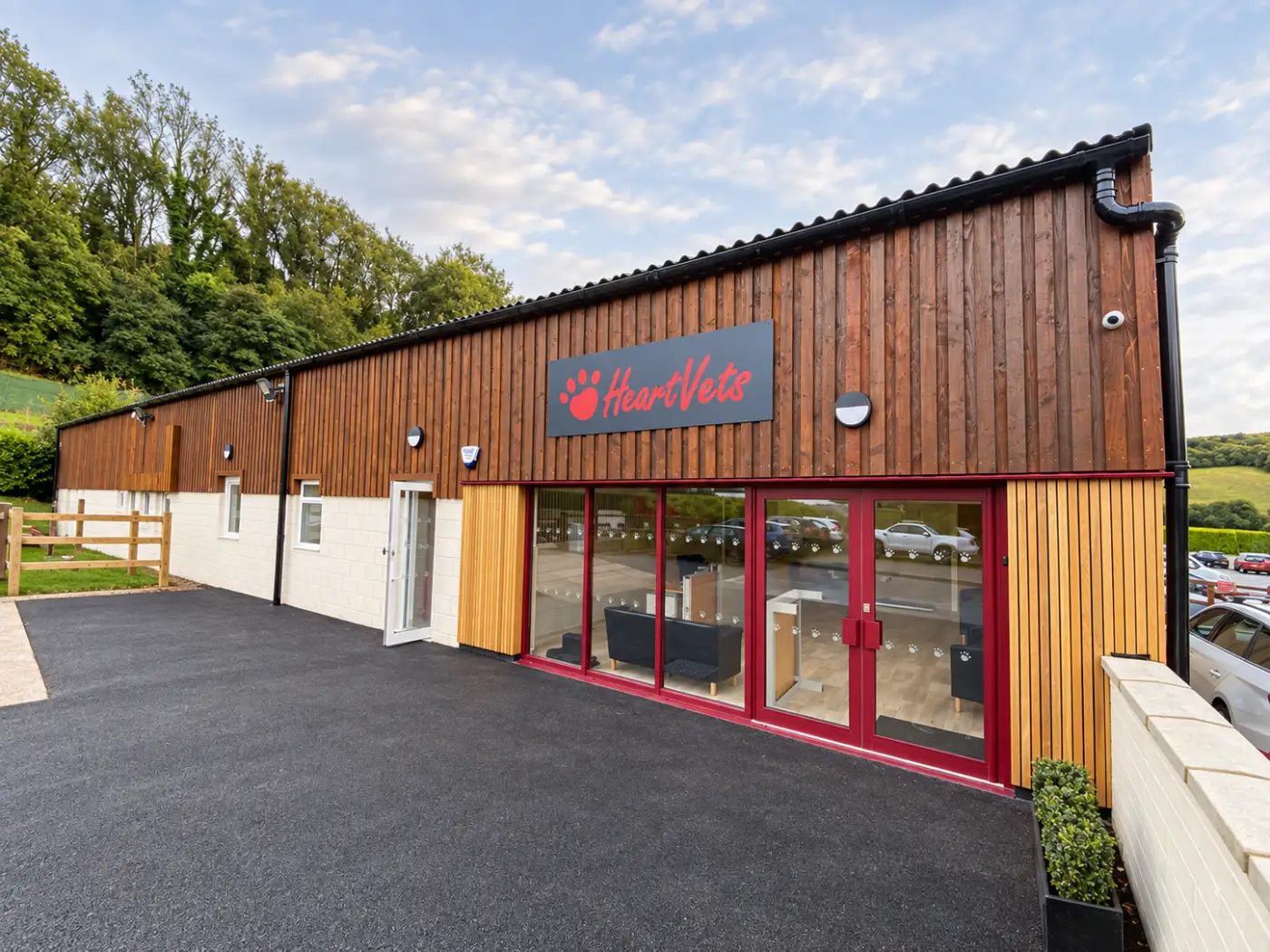
Heritage Properties – Sympathetically restored.
Heritage buildings require a specialist approach that respects their history, character, and original construction methods. Our skilled team has extensive experience working on such buildings including listed properties, buildings within conservation areas, and those of historical significance. We ensure we use traditional techniques and appropriate materials to achieve sympathetic restorations and modernisation.
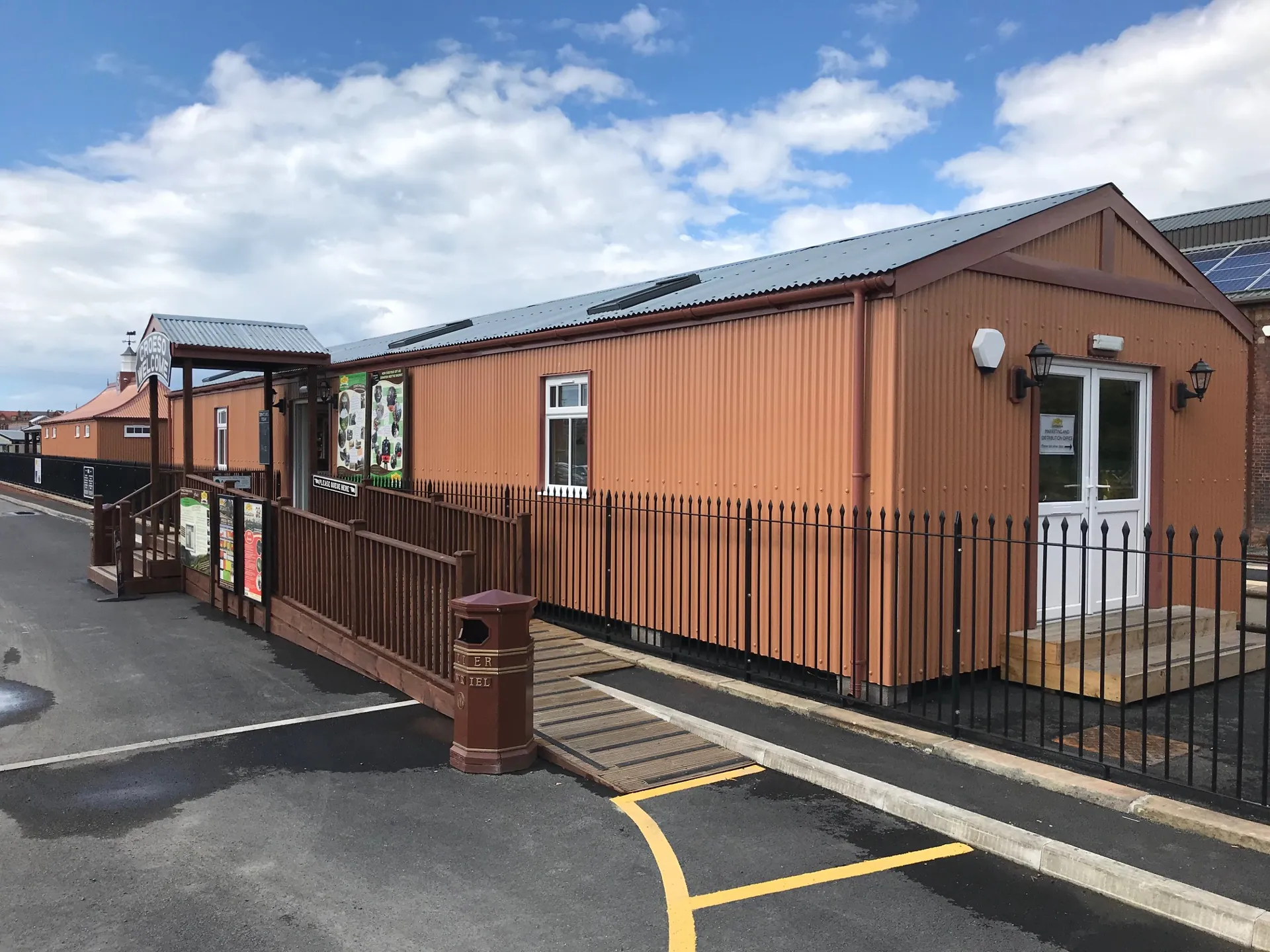
Preserving the Past with Craftsmanship and Care
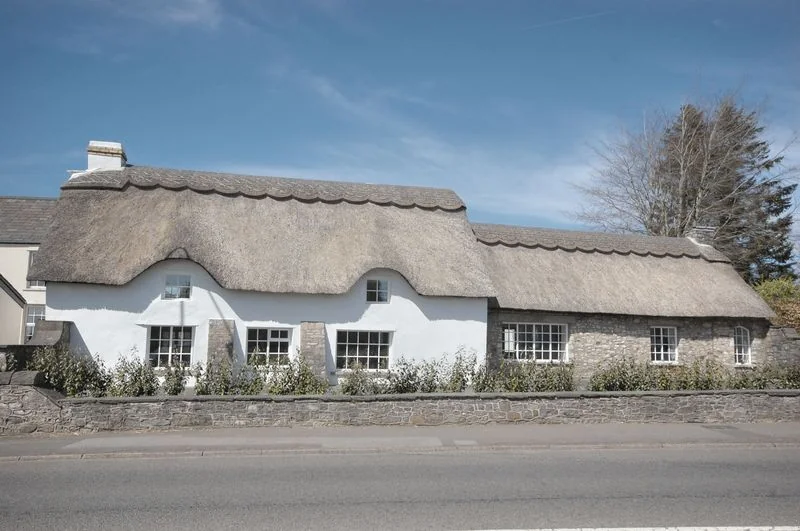
Amongst our expertise is the skill and craftmanship needed for the conservation and restoration of heritage properties. We combine traditional craftsmanship with expert knowledge of appropriate materials and building techniques. We are experts in lime pointing, lime plastering, flagstone and limecrete flooring, roofing and leadwork, stone walling, and stone masonry in both lime and cement. Our breadth of knowledge also includes creating structural openings in stonework, bespoke exposed oak timber work, and carefully integrating new elements whilst respecting the historic fabric of the property.
By employing conservation-led methods and materials combined with traditional craftsmanship, we ensure every project preserves the integrity and heritage of the building while meeting modern structural and conservation requirements.


























Why Choose Us?
Traditional Craftsmanship
Our team is skilled in traditional building techniques and adept at using the appropriate materials that are essential for the sympathetic restoration of historic properties.Specialist Heritage Expertise
We understand the unique requirements of listed buildings and conservation areas, ensuring work is carried out sympathetically and appropriately.Heritage Specific Materials
We use lime-based mortars and plasters, reclaimed materials, and traditional construction methods to maintain the character and performance of historic buildings.Sympathetic Restoration
We are experienced in marrying old and new, ensuring repairs and additions enhance the building without compromising its historic significance or appearance.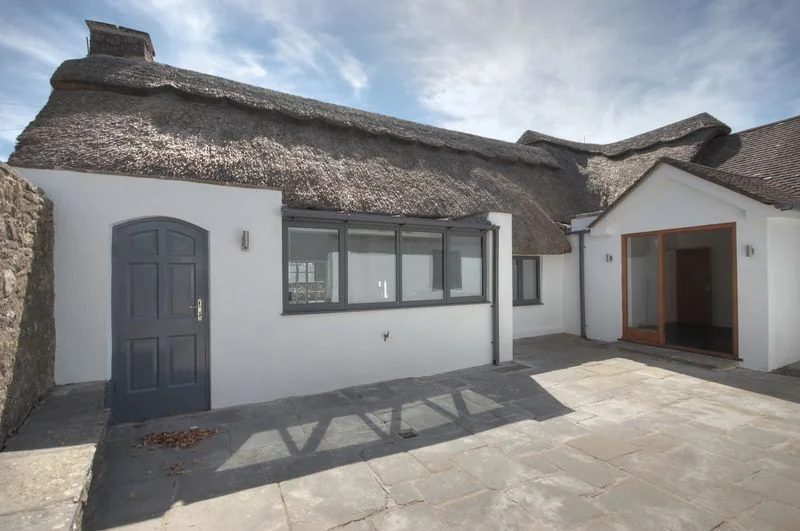
Period and Heritage Properties - Restored with Care and Craftsmanship
To further explore how we have delivered highly skills and sympathetic restoration projects across both commercial and residential properties, explore our case studies to discover the expertise, craftsmanship and attention to detail behind every project.
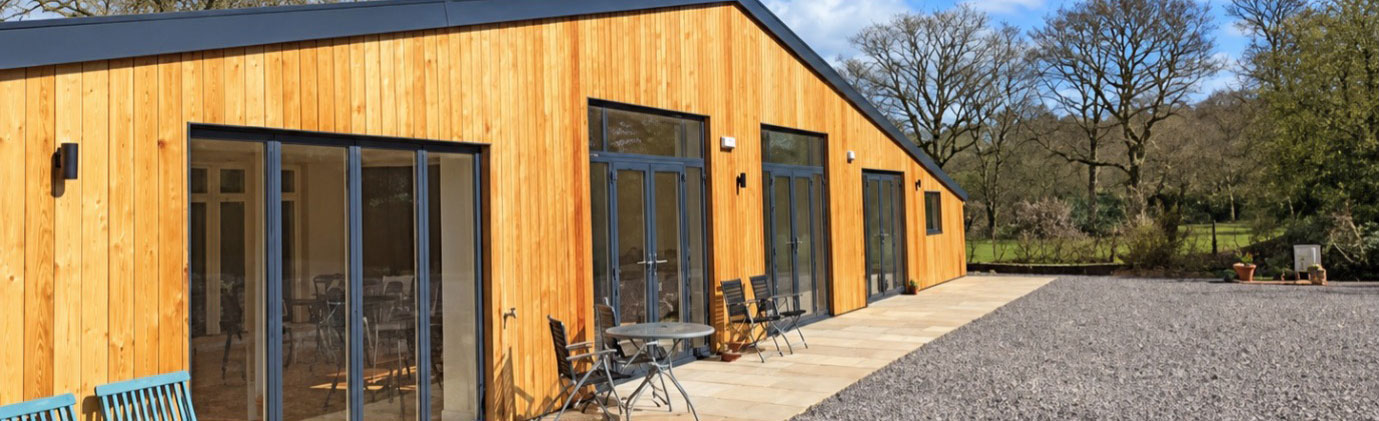
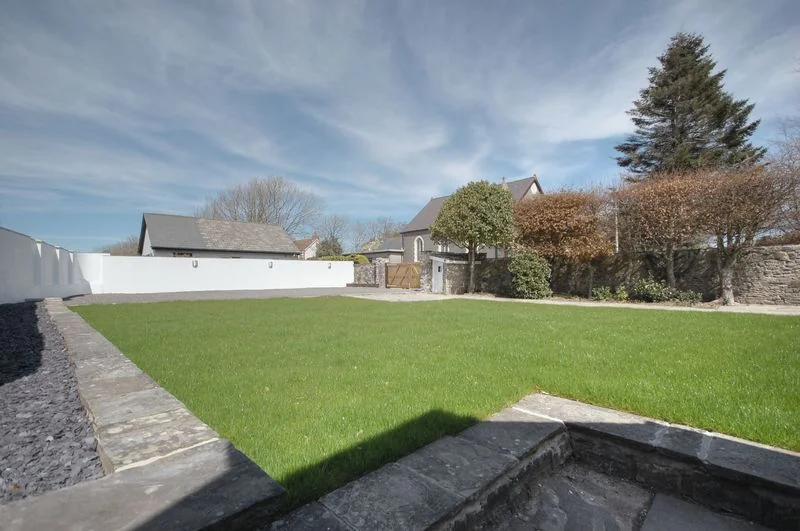
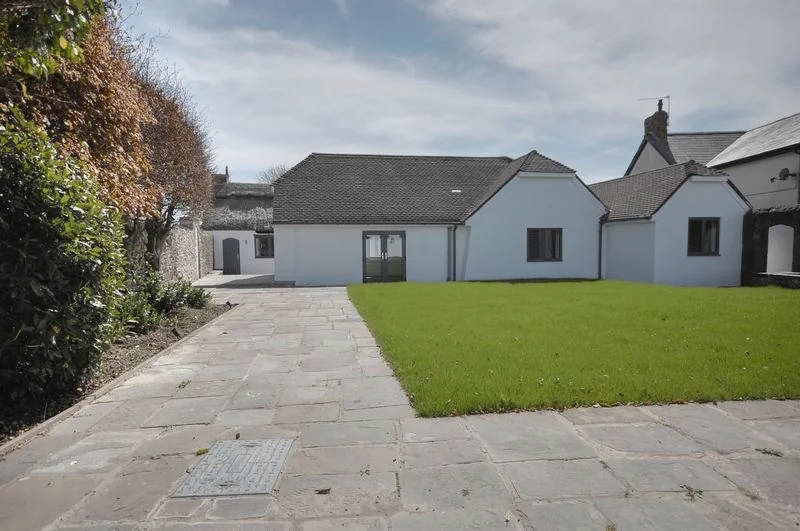
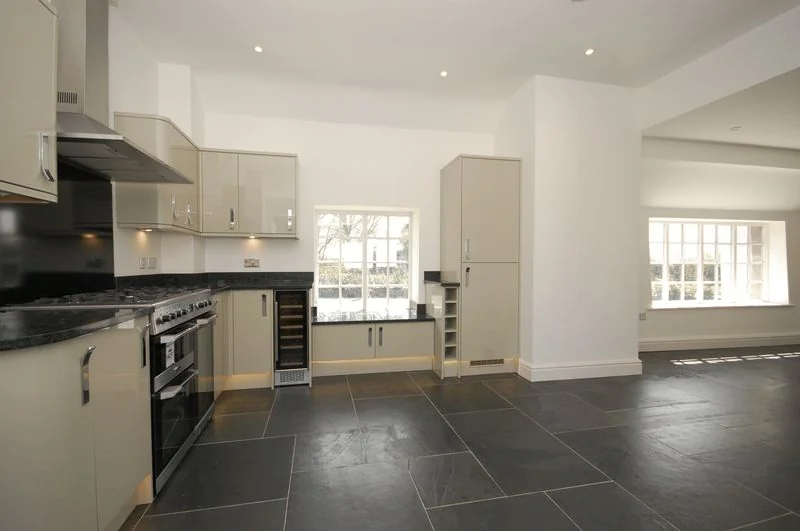
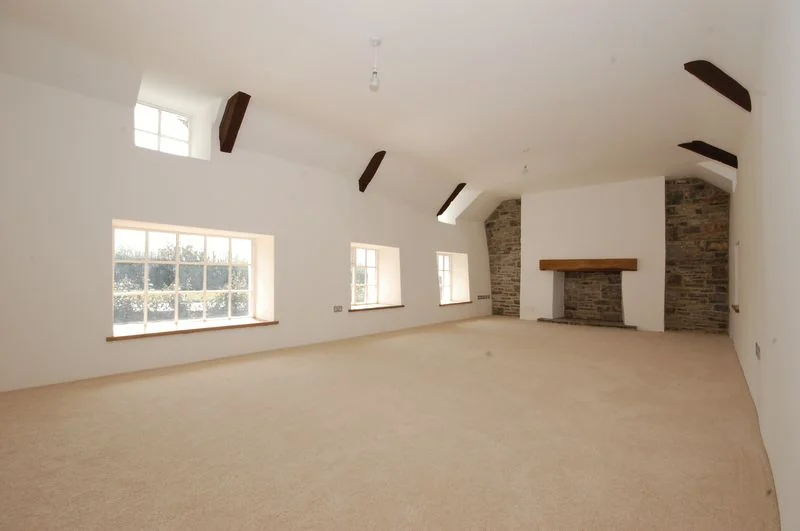
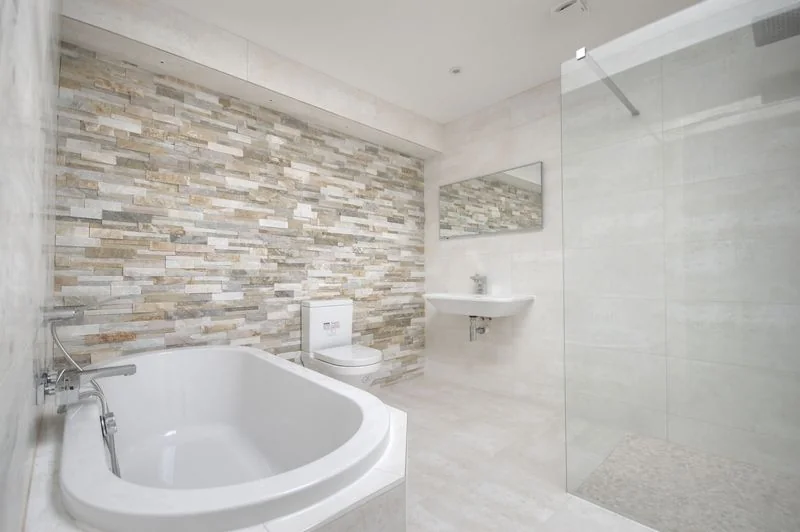
- Trehill Cottage
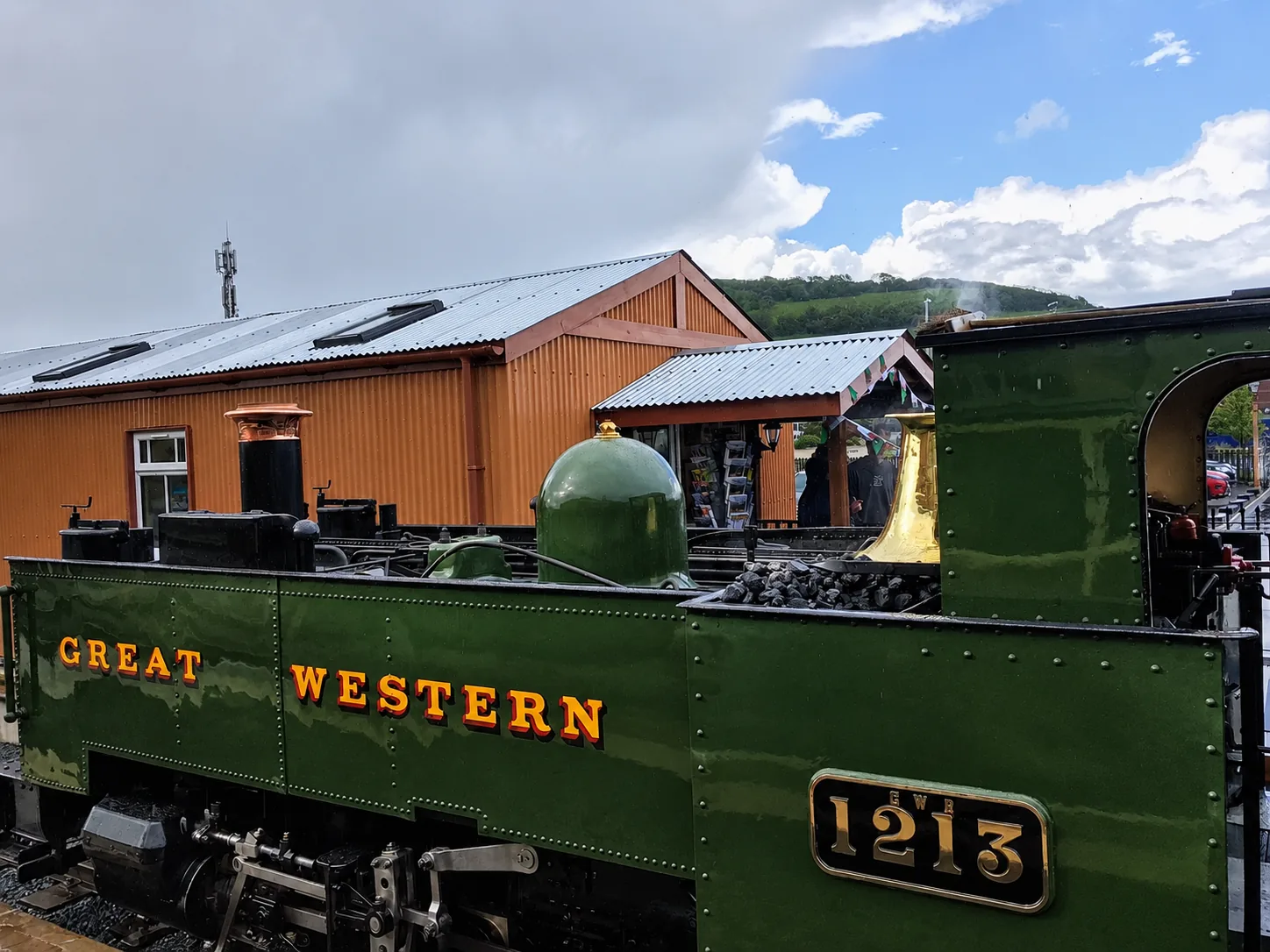
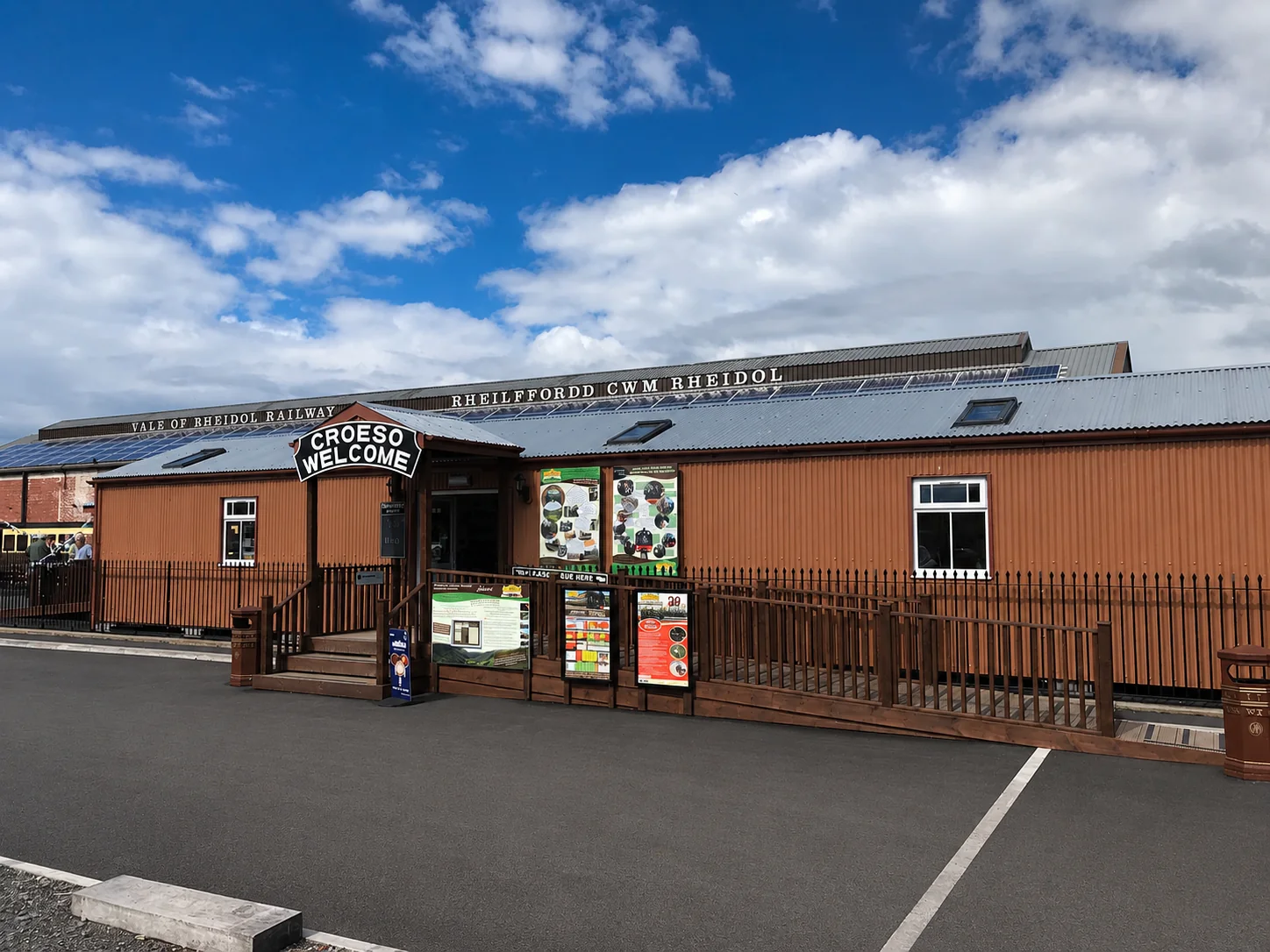
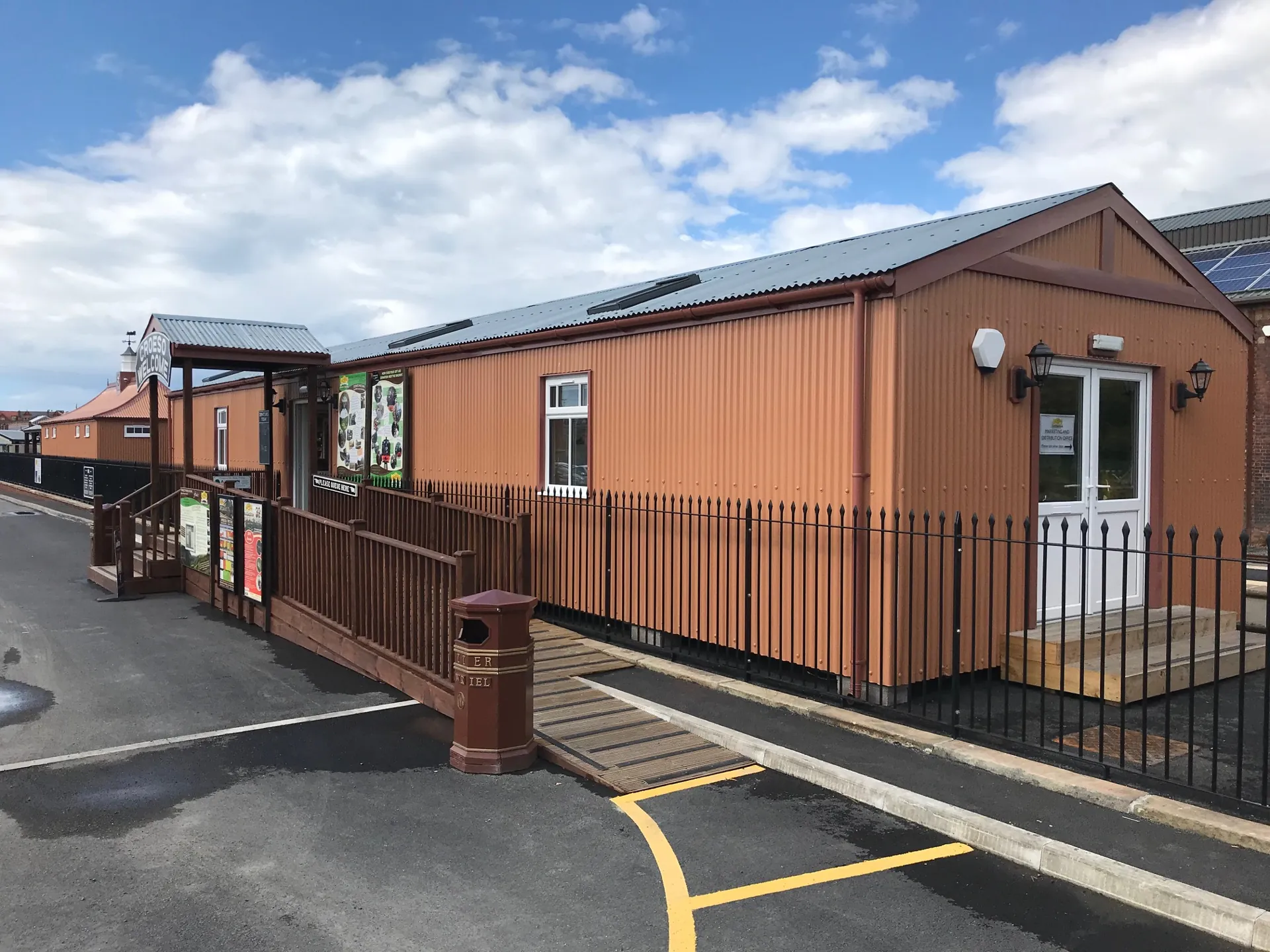
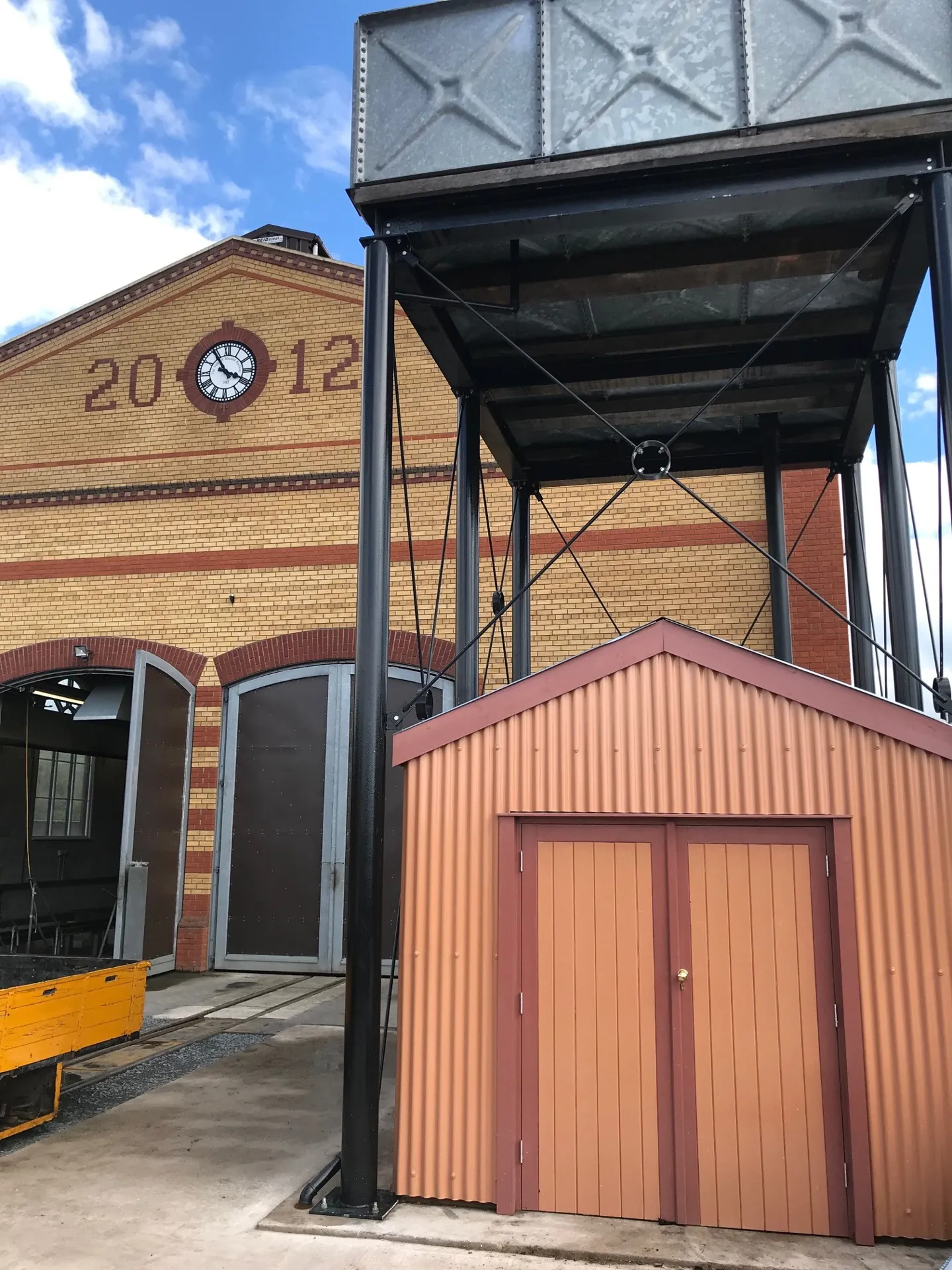
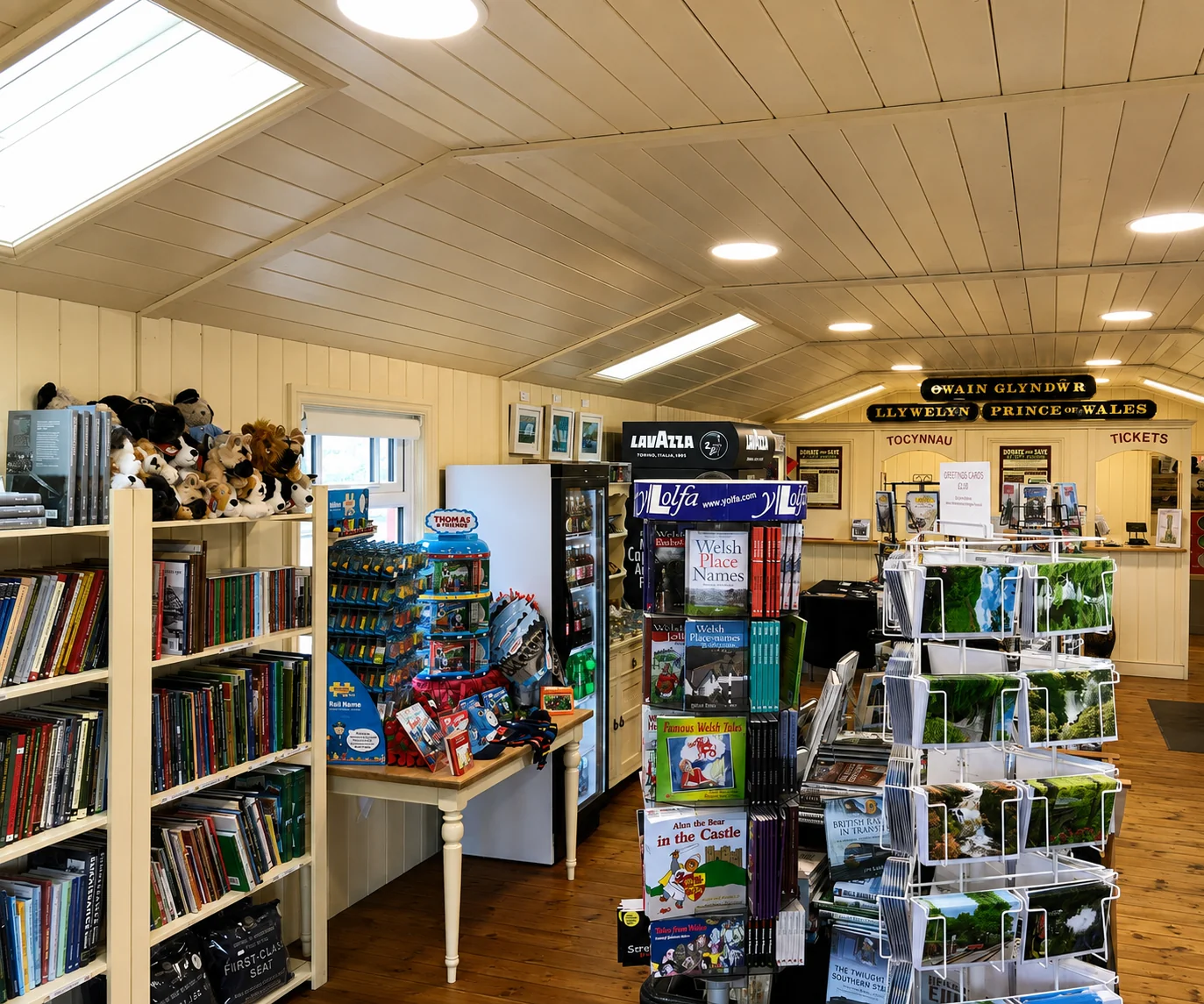
- Vale of Rheidol Railway
Item 1
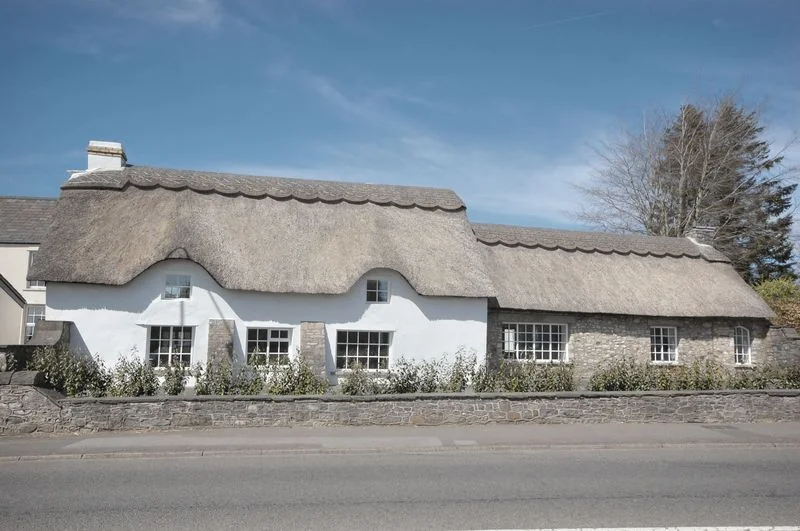
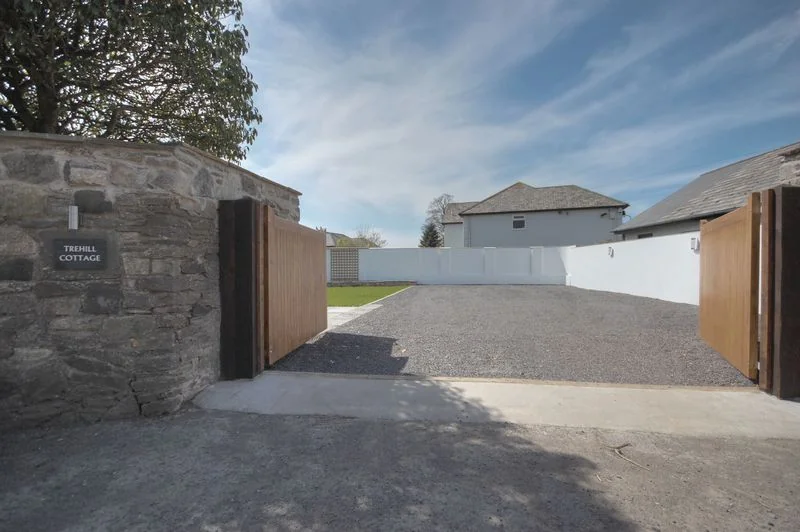
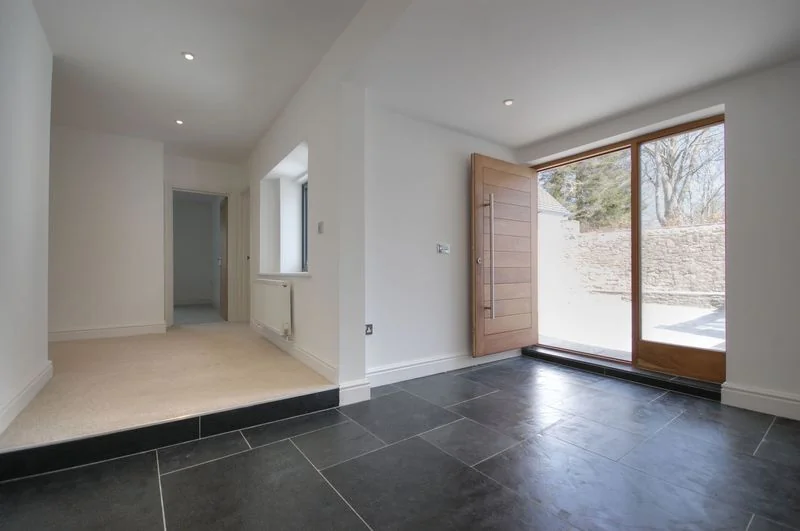
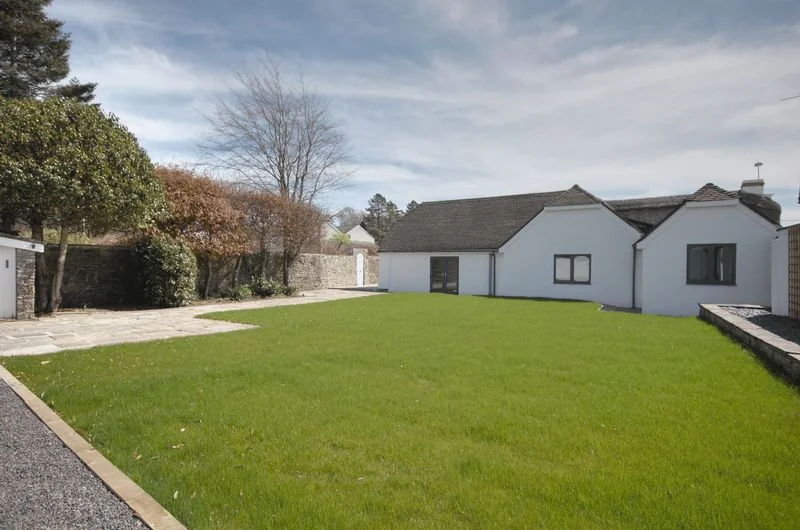
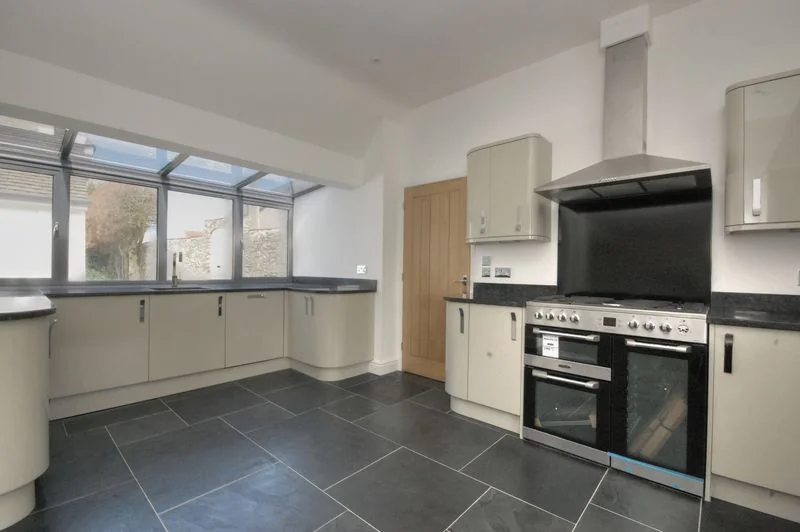
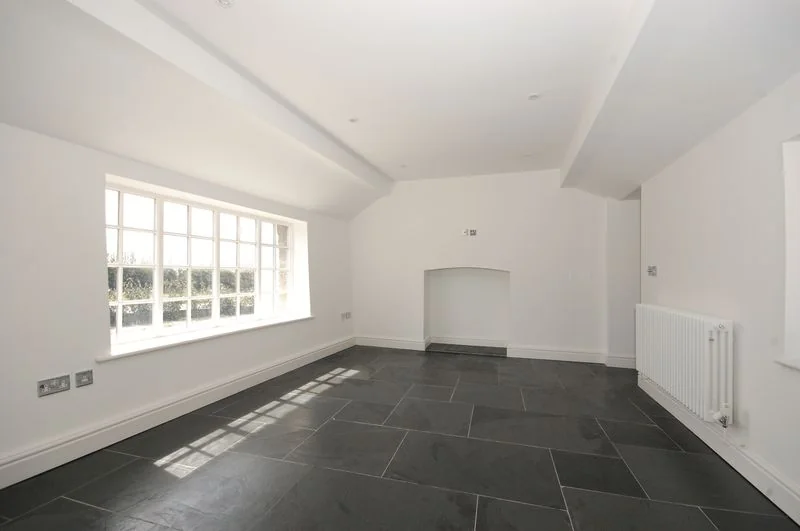
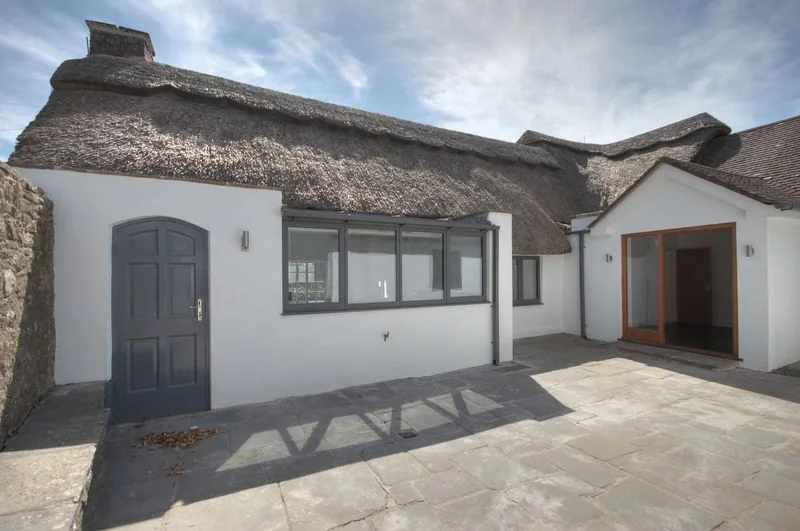
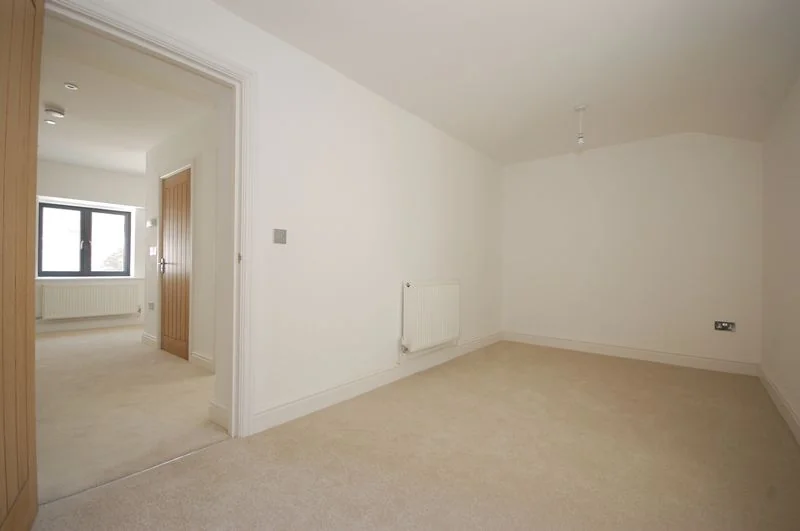
Item 2
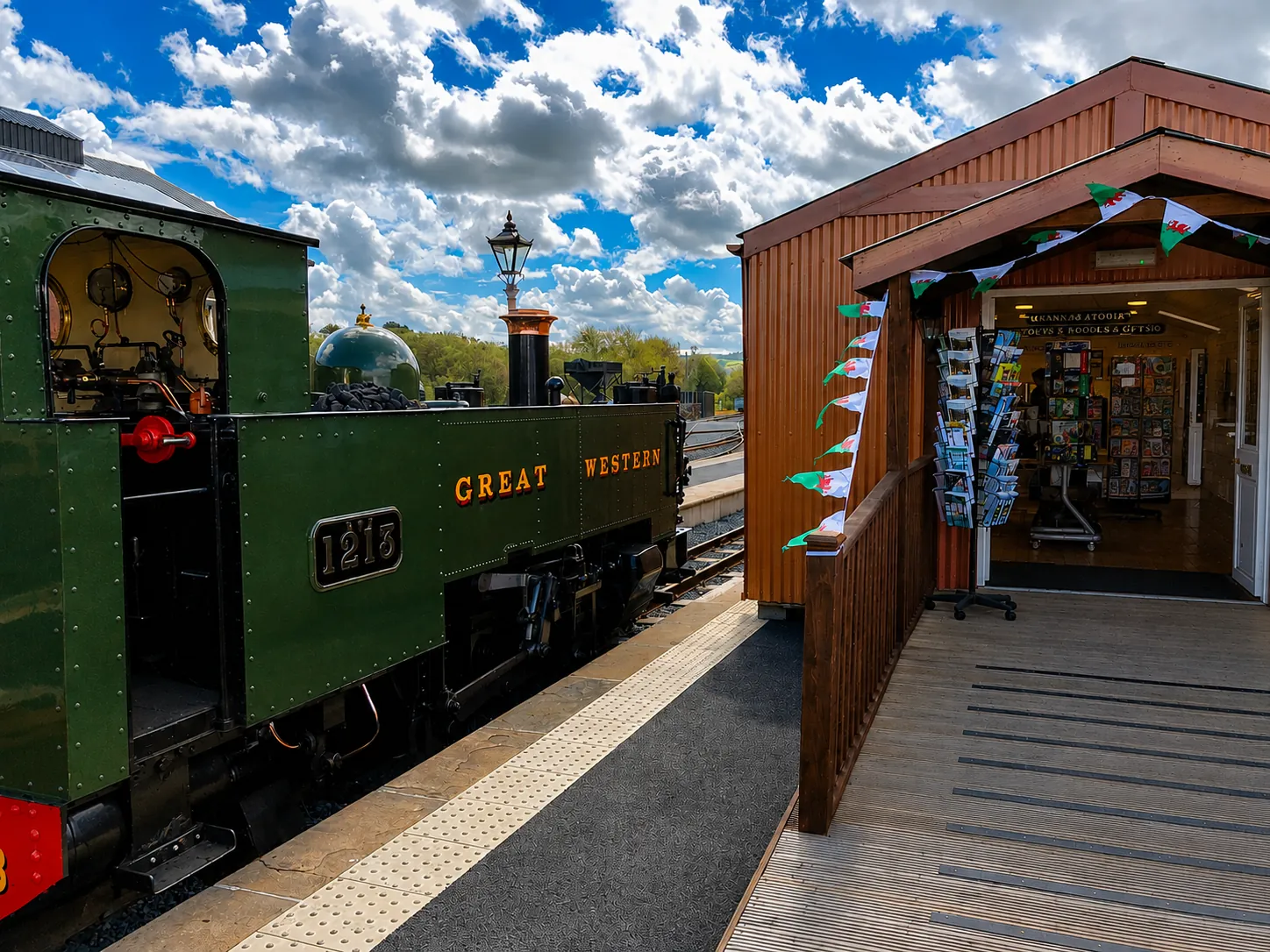
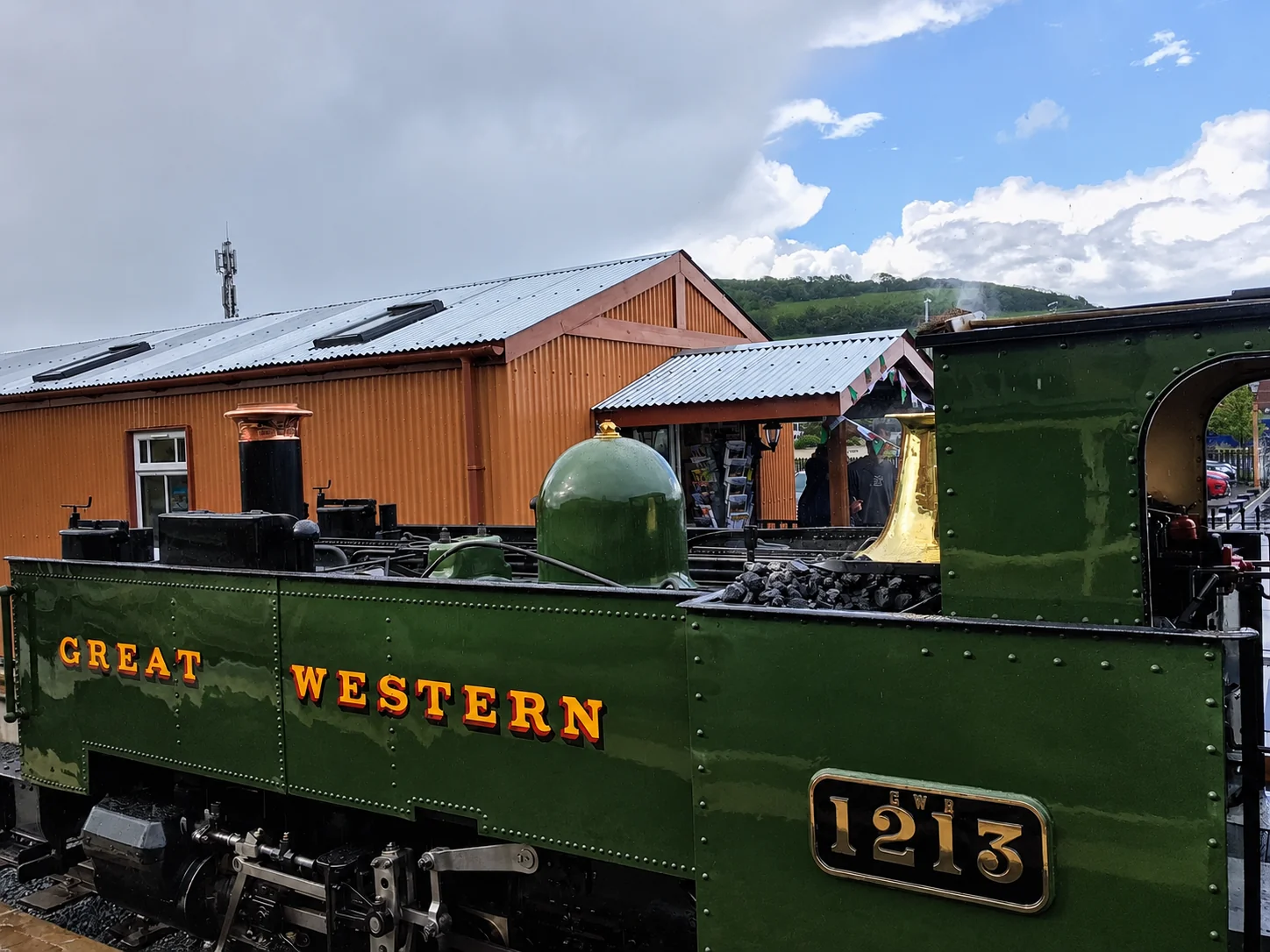
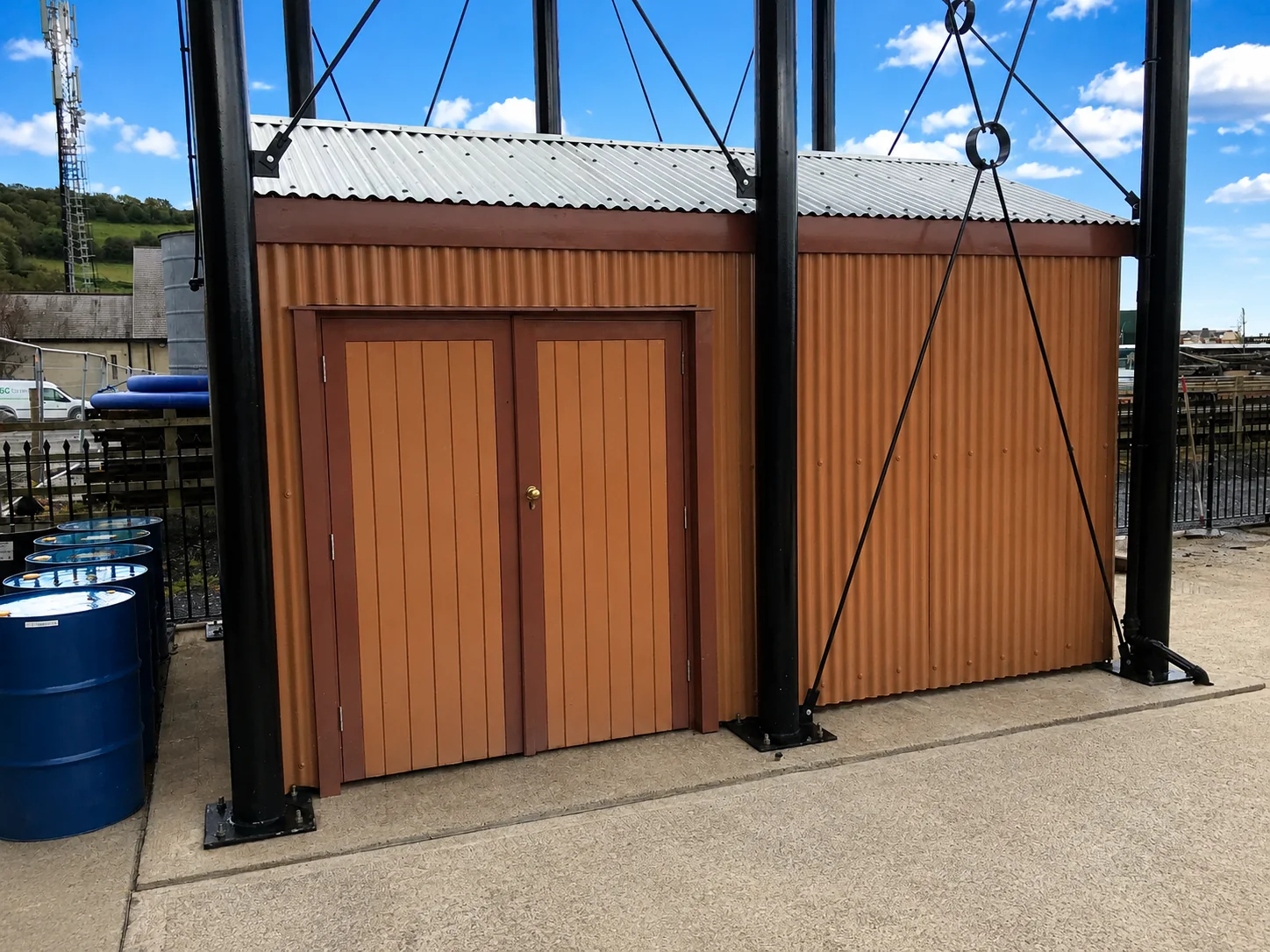
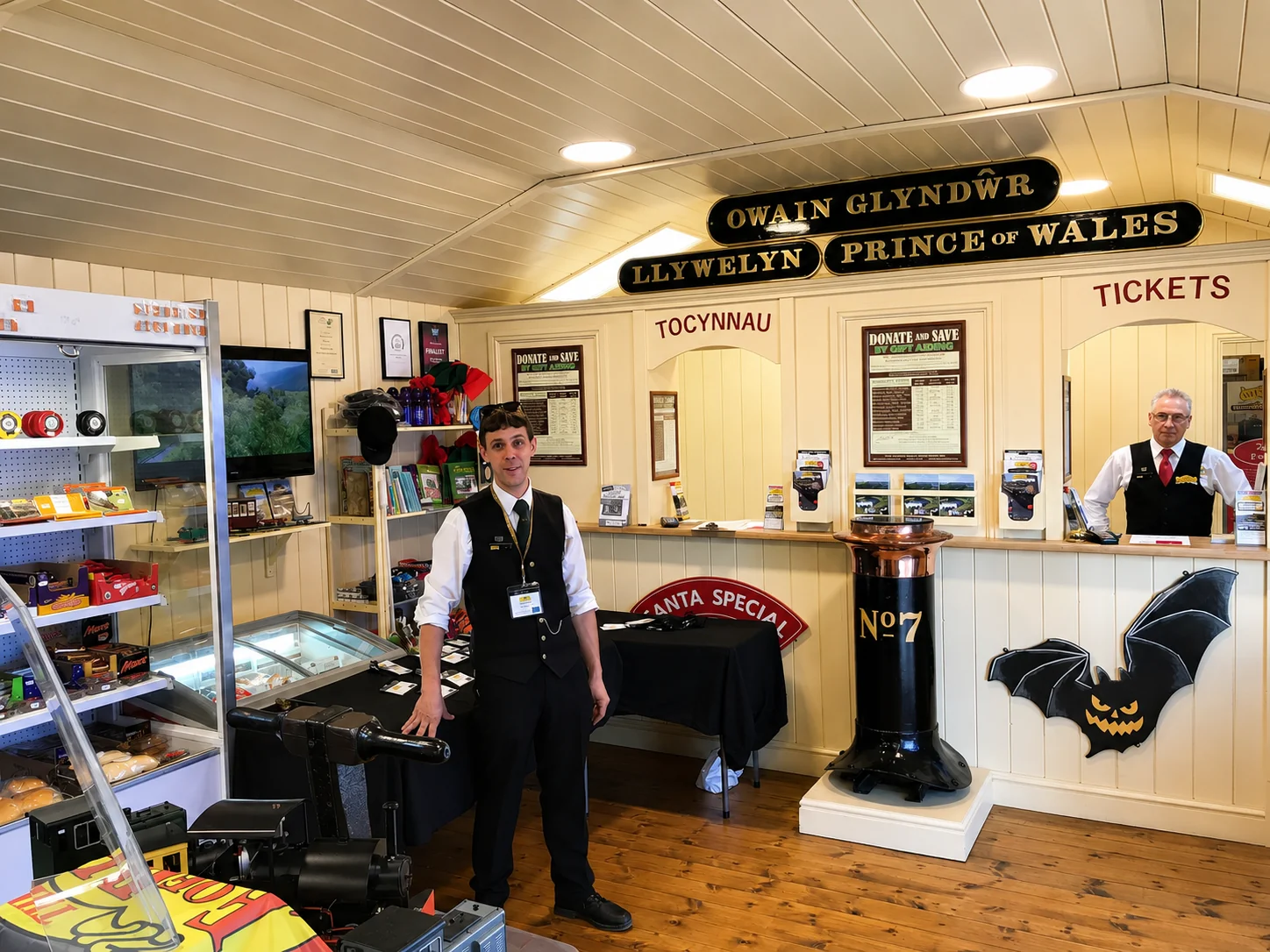
Trusted by Heritage Organisations
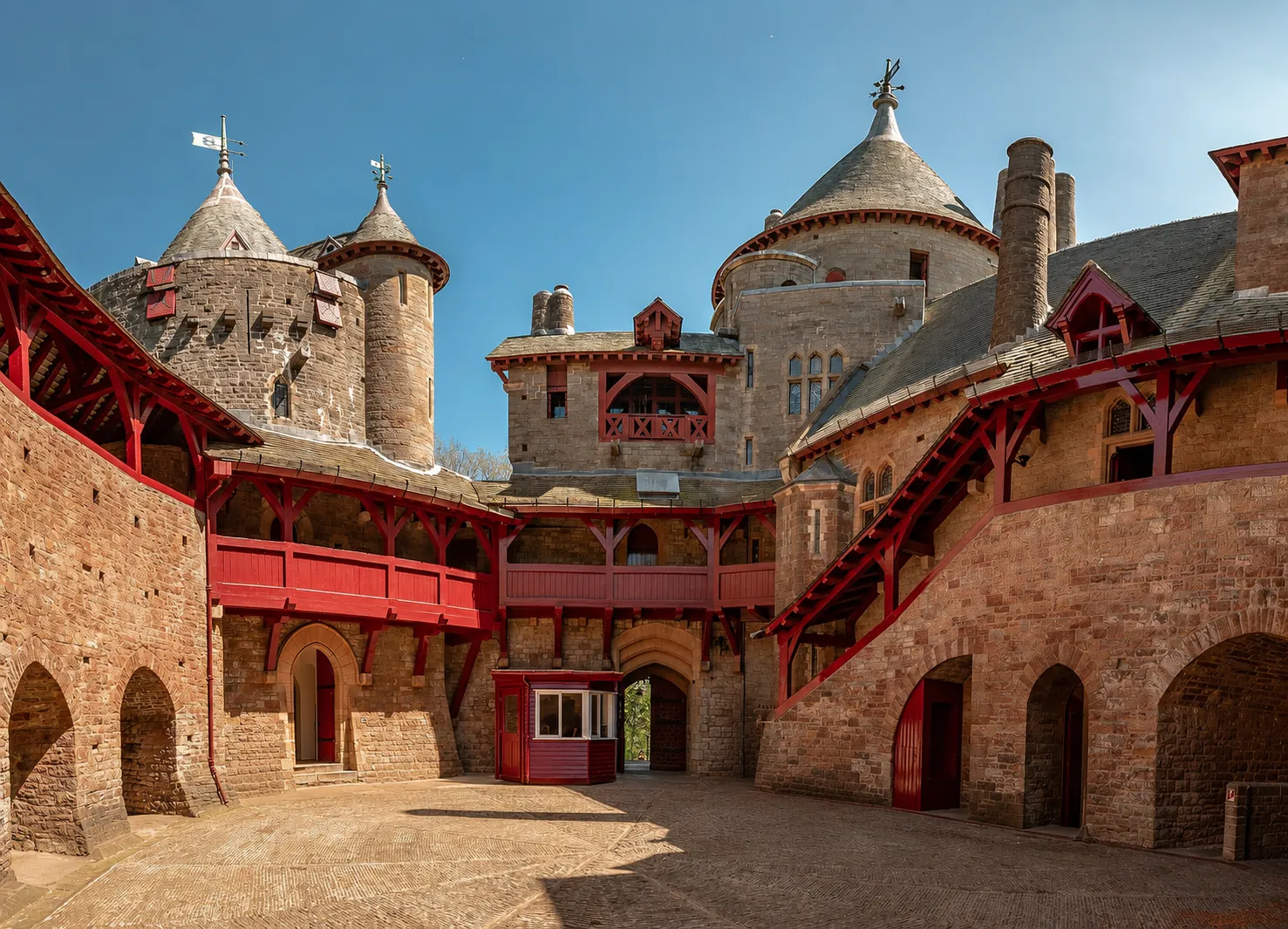
Our work has earned the trust of heritage organisations and custodians of historic buildings. We have been entrusted by organisations including Cadw, Castell Coch and Vale of Rheidol Railway to restore, replicate, and preserve buildings and architectural features of historical importance.
These projects demand exceptional attention to detail, an in-depth knowledge of conservation principles, and the ability to work with traditional materials and methods.
What We Offer
Explore Our Full Range of Services
Restoration of Period and Historic buildings is one part of what we deliver across South Wales. From residential and commercial projects to timber frame builds, garden cabins, and equestrian structures, our team has the breadth of experience to handle any project — all managed with the same care and accountability our reputation has been built on.
Commercial
Learn more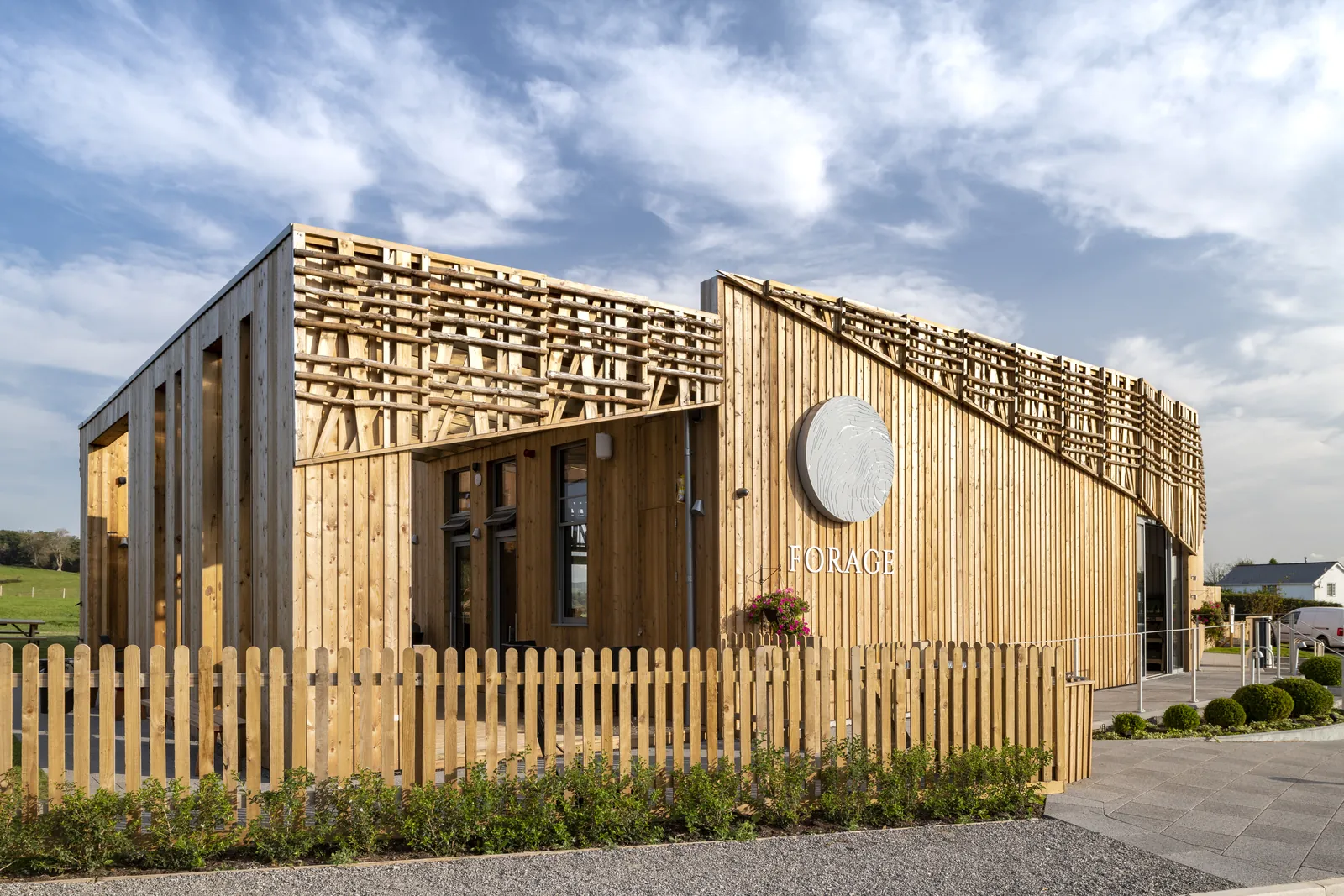
Residential
Learn more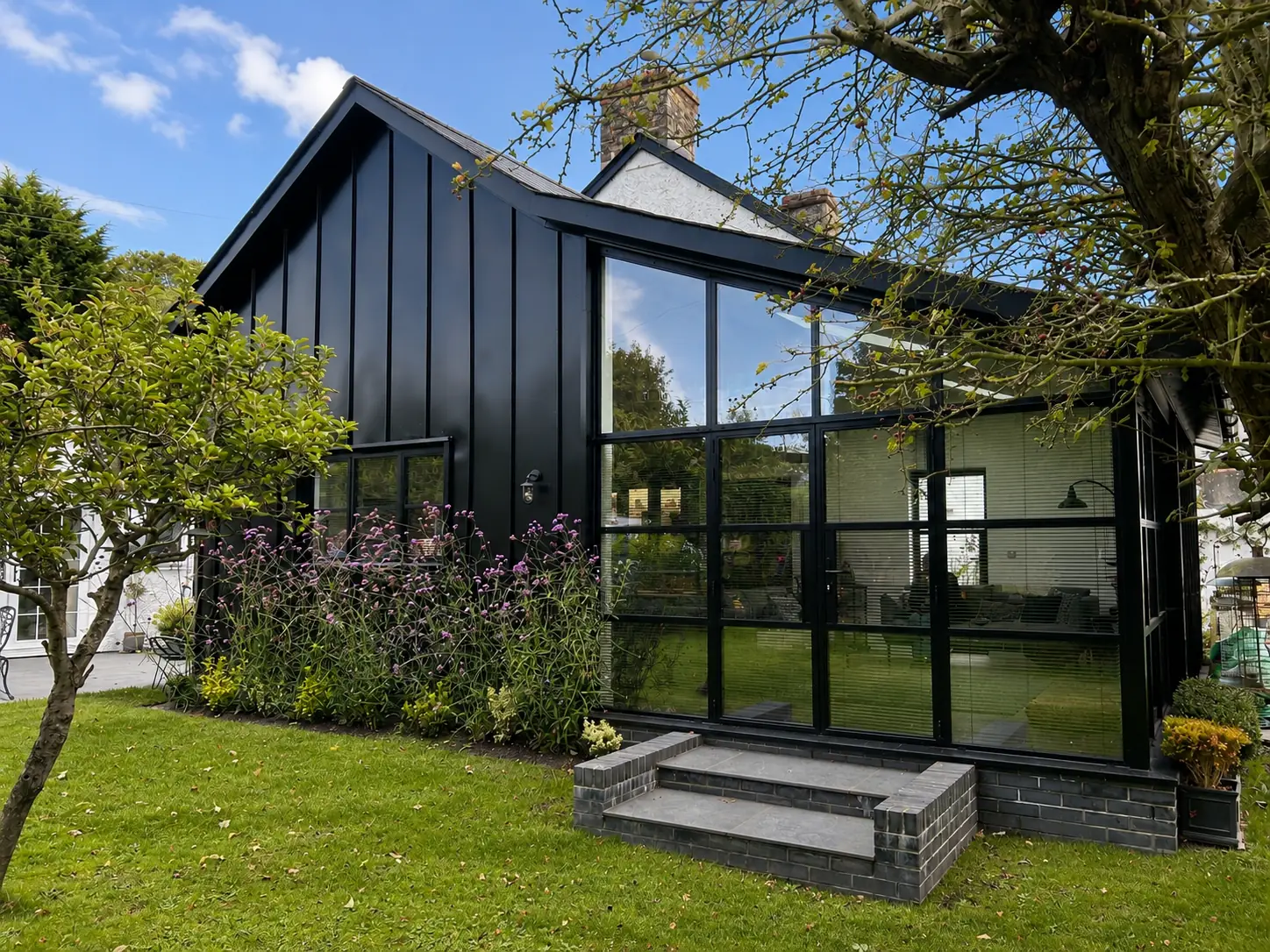
Timber Frame
Learn more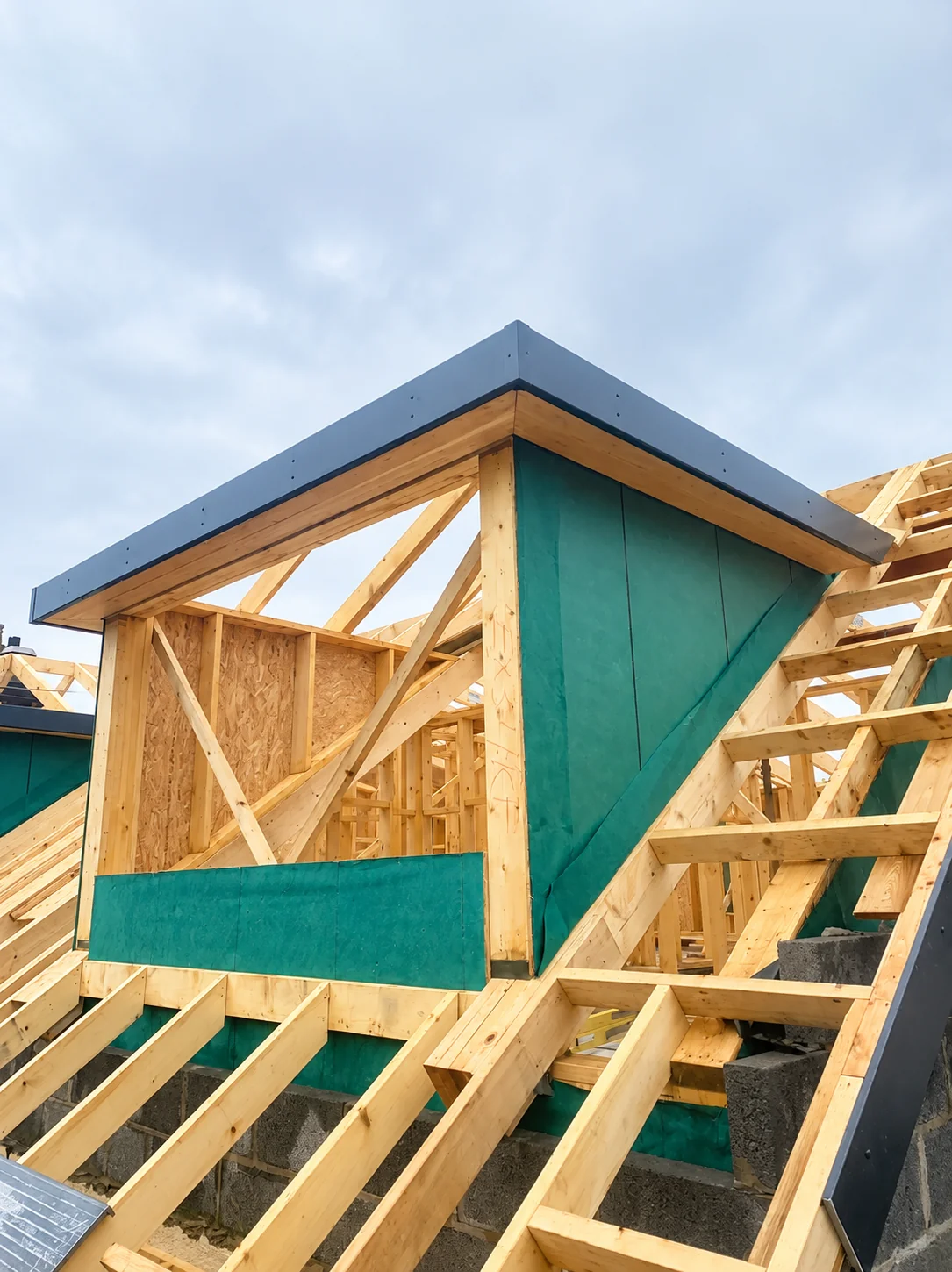
Bespoke Timber Buildings
Learn more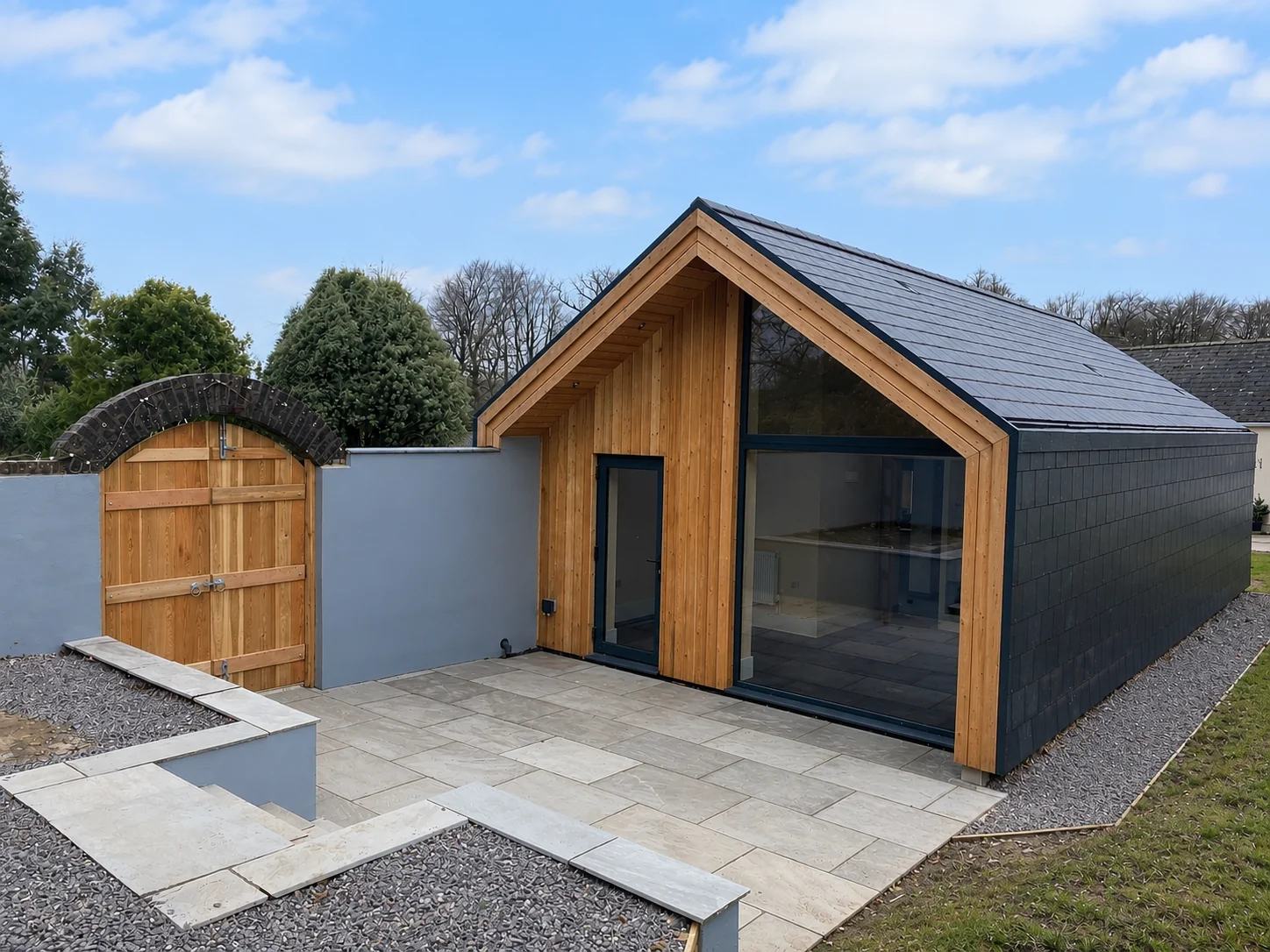
Equestrian
Learn more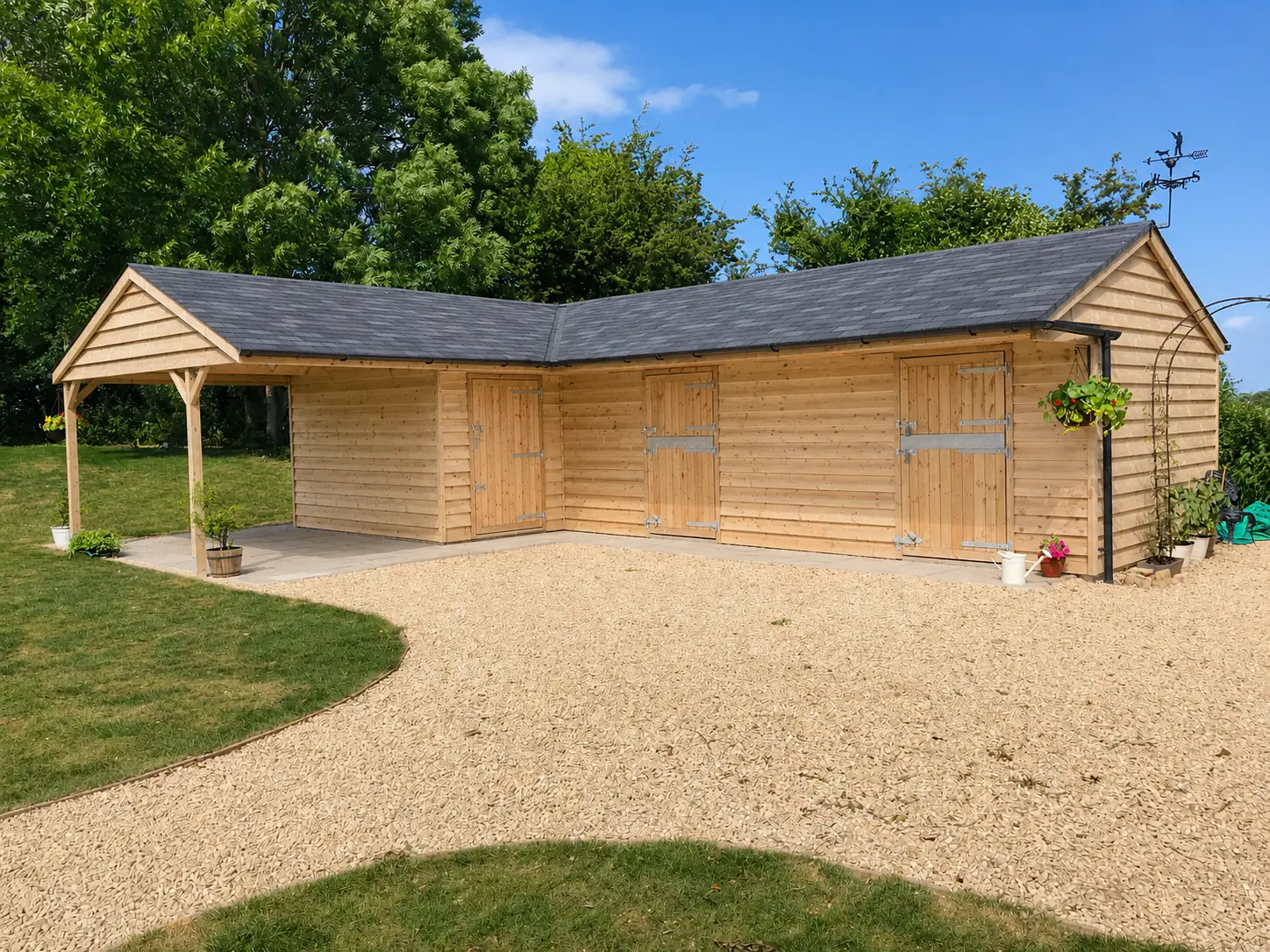
Cabins
Learn more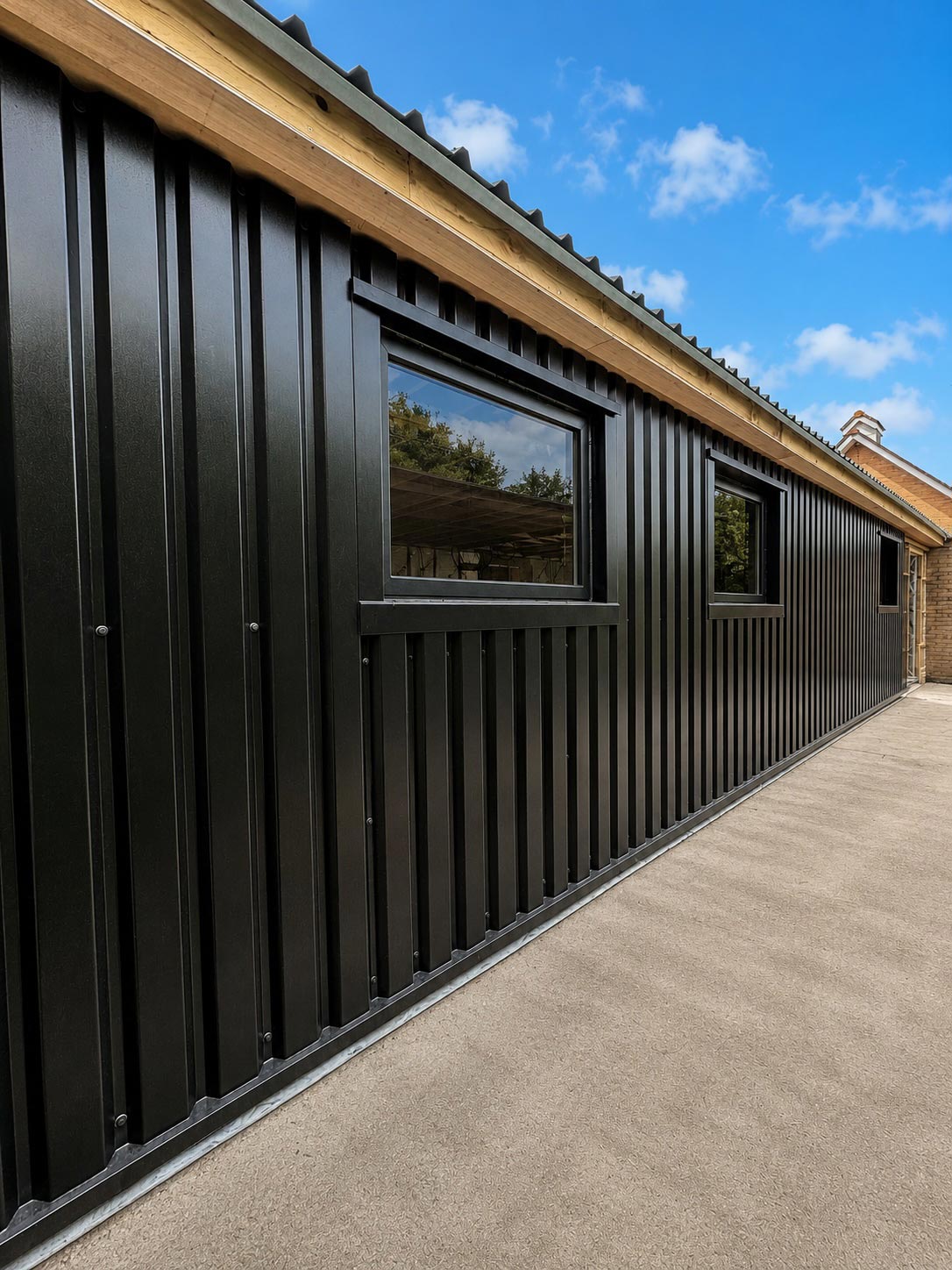
Garden Rooms
Learn more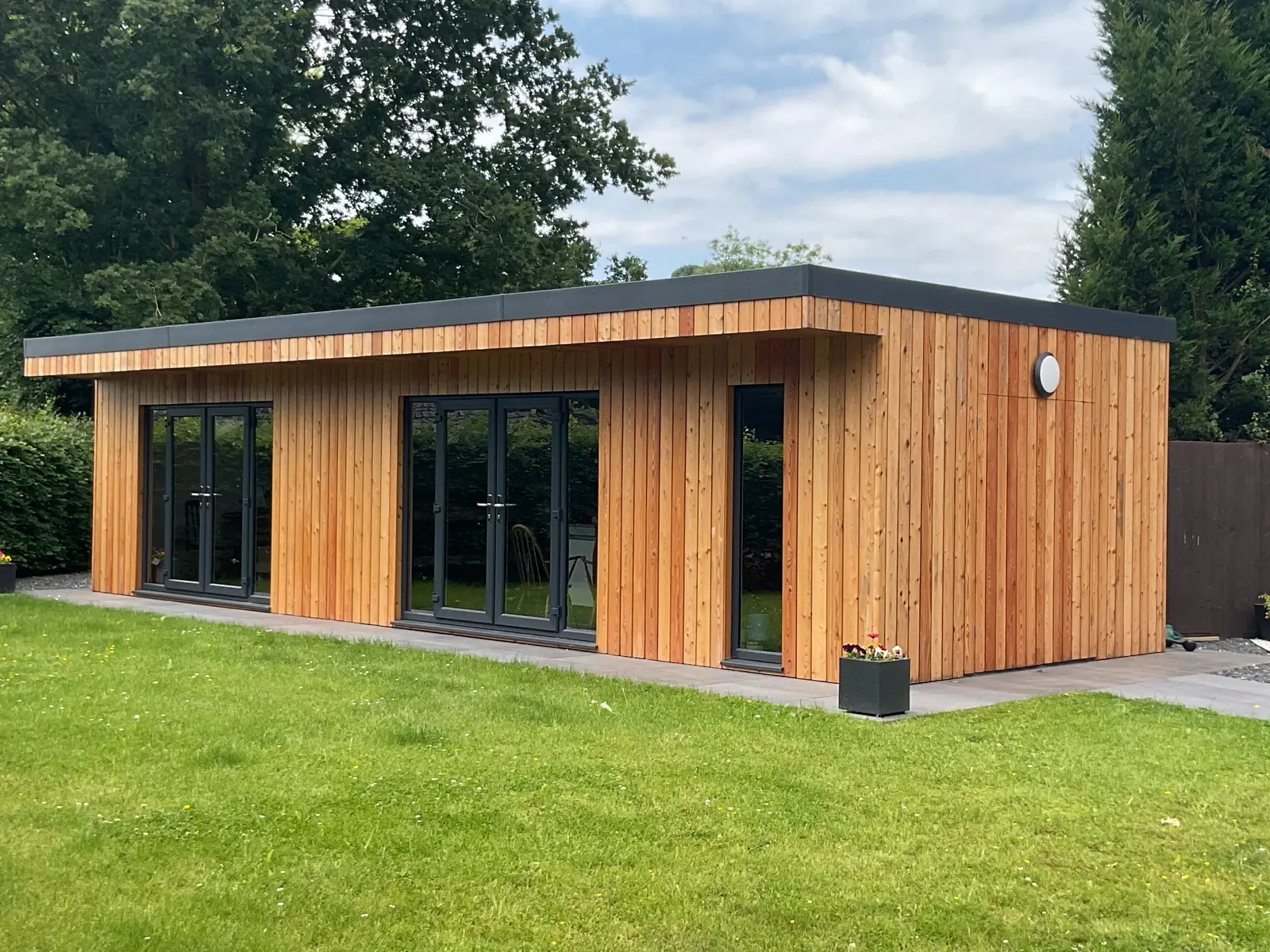
Sheds and Summer Houses
Learn more

Case Studies
Learn more
Get in Touch
We’d love to discuss how we can support the restoration of your heritage property.
We would love to share our expertise with you and learn all about your period property Please call, send an email, or complete the form and our team will be in touch promptly to discuss your requirements.
01446 772 800web@ashdown-group.comUnit 32, Vale Business Park, Llandow, Cowbridge, Vale of Glamorgan, CF71 7PF
@media (min-width:767px) {

.bm-hero-85__container {
  grid-template-columns: var(--grid-3-2);
}

.bm-hero-85__form-cover {
  order:-1;
  align-items: start;
}

}
Heritage Renovation FAQs
Heritage and listed building projects raise specific questions that don't come up on standard builds. Here are the ones we're asked most often. If your situation isn't covered, call us on 01446 772 800 — we're experienced with the regulatory landscape in South Wales and happy to give you an honest assessment of your project.
Listed building consent is required for any works that would affect the character of a listed building as a building of special architectural or historic interest — this includes both internal and external alterations, not just work visible from outside. In practice, this covers a very wide range of activities: removing or altering internal walls, replacing windows or doors, changing floor finishes, altering fireplaces, and even some repairs if they change the character of original fabric. The extent of what requires consent varies by listing grade and by the nature of the works, which is why early advice from a conservation officer or experienced heritage contractor is essential before any work begins. Ashdown Group can advise on this during an initial consultation.
They are separate consents with different purposes. Planning permission controls what is built where and how it affects the surrounding area — it applies to new development, extensions, and changes of use. Listed building consent specifically protects the special architectural or historic character of a designated structure, and applies to alterations,
extensions, and demolition of listed buildings regardless of whether planning permission is also needed. In many cases, works to a listed building will require both. Ashdown Group will advise you on which consents apply to your project and can support the application process
where needed.
Cadw is the Welsh Government’s historic environment service — the equivalent of Historic England for Wales. It maintains the statutory lists of historic buildings and scheduled monuments, provides guidance on heritage policy, and is a statutory consultee on planning applications that affect Grade I and Grade II* listed buildings, scheduled monuments, and World Heritage Sites. For Grade II listed buildings — which represent the majority of listed structures — consent decisions are made by local planning authorities, who will typically consult their own conservation officers. Ashdown Group has experience working within the Welsh heritage regulatory framework and understands when Cadw’s involvement is likely
and what it means for a project’s programme and approach.
Yes — and it’s done successfully on listed buildings across Wales every year. The key is that any extension or modern intervention must be clearly distinguishable from the historic fabric (so it doesn’t mislead future historians about the building’s evolution) while also
being sympathetic in scale, material, and appearance. The principle of reversibility — that modern interventions should be removable without damaging the original structure — is also important to conservation authorities. Ashdown Group approaches these projects
by working closely with the client, conservation officer, and where required, a heritage consultant, to design and deliver interventions that meet modern requirements while genuinely respecting the character of the building. It requires patience and expertise, but the results are worth it.